
How to Improve Your Home’s Water Quality: Tips for the Best Water
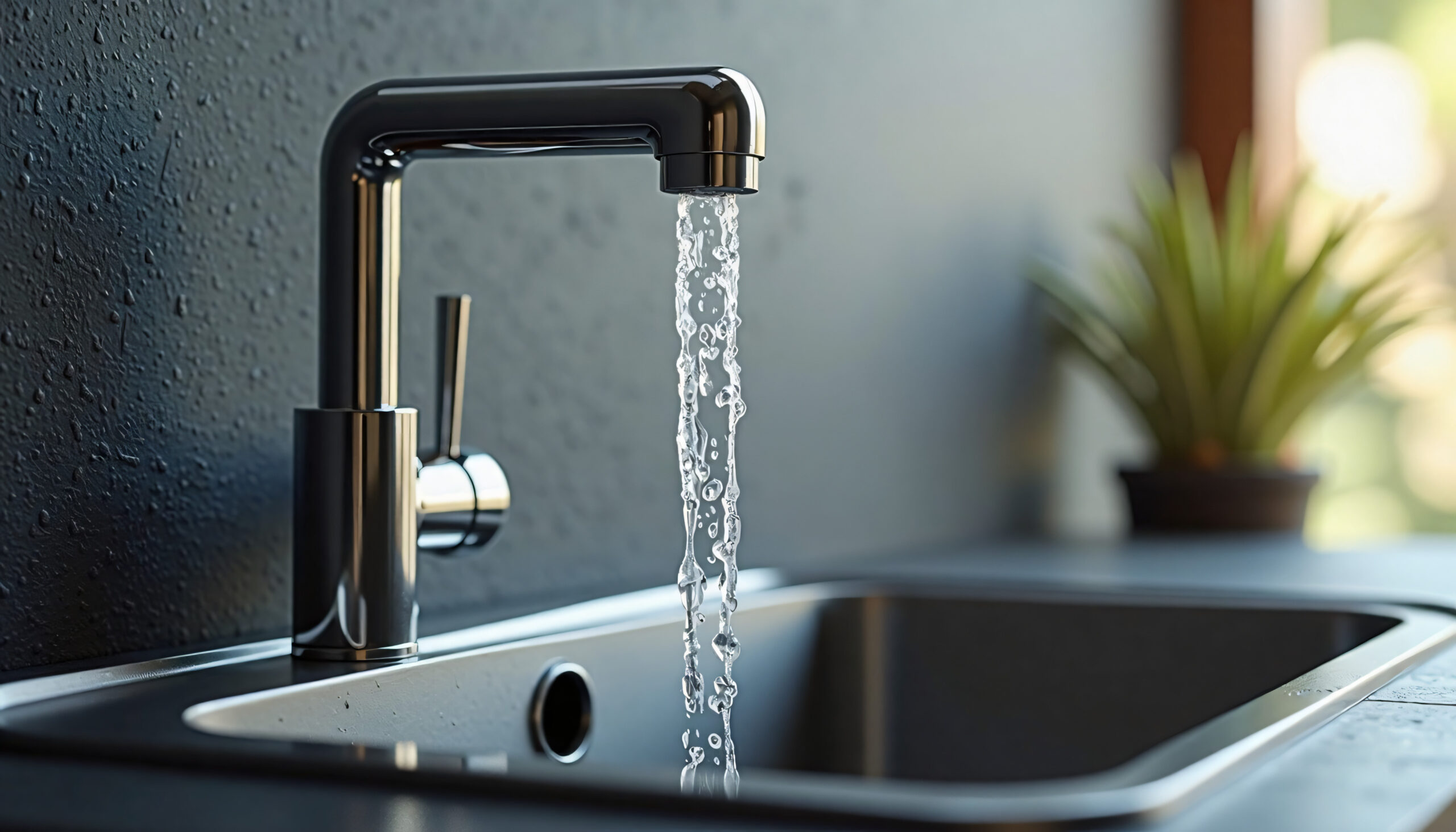
Simple steps to enjoy cleaner, healthier water throughout your home
When you think about a healthy home, air quality and cleanliness probably come to mind—but what about your water? From drinking and cooking to bathing and laundry, water is used in nearly every part of your daily routine. That’s why ensuring high water quality in your home is not only smart but essential for your health and comfort.
If you’ve noticed odd tastes, smells, stains, or buildup, it might be time to take a closer look at what’s coming out of your taps. Here are practical tips to help you improve your home’s water quality.
1. Start with a Water Test
Before making any changes, test your water. You can use a home test kit or hire a professional to check for:
- Hardness (minerals like calcium and magnesium)
- Chlorine or other chemical disinfectants
- Heavy metals (like lead or copper)
- Bacteria and microbes
- Sediment or discoloration
Knowing what’s in your water helps you choose the right solutions.
2. Install a Water Filtration System
Filtration systems remove contaminants and improve the taste, smell, and safety of your water. There are different types depending on your needs:
- Whole-house filters treat water as it enters your home.
- Under-sink or countertop filters provide clean water at a single tap.
- Pitcher filters are easy and affordable for drinking water.
- Refrigerator filters ensure clean water and ice.
Choose a system certified by the NSF (National Sanitation Foundation) for added peace of mind.
3. Consider a Water Softener
If your water leaves white spots on dishes, dries out your skin, or causes buildup in your shower, you likely have hard water. A water softener replaces minerals like calcium and magnesium with sodium or potassium, helping:
- Extend the life of plumbing and appliances
- Reduce soap scum and mineral buildup
- Improve skin and hair feel
- Keep laundry looking cleaner and softer
4. Upgrade Your Plumbing Fixtures
Old pipes or faucets may contribute to poor water quality. Swapping out aging fixtures and aerators can:
- Reduce lead and copper exposure
- Improve flow and filtration
- Support newer filtration technologies
Look for products labeled as “lead-free” or “NSF-certified.”
5. Maintain Your Water Heater
Sediment can build up in your water heater over time, affecting water clarity and quality. Flushing the tank annually and checking for corrosion or leaks helps keep your hot water clean and safe.
6. Use Shower and Bath Filters
If you’re sensitive to chlorine or chemicals in tap water, consider a shower filter. These reduce exposure to chlorine, which can dry out your skin and hair.
7. Be Mindful of Exterior Contaminants
Keep potential pollutants like pesticides, fertilizers, or household chemicals away from well systems or outdoor faucets. If you’re on well water, regular inspections and professional testing are essential.
Final Thoughts
Improving your home’s water quality doesn’t have to be expensive or overwhelming. A few small changes—like installing a filter or flushing your water heater—can make a big difference in the water you drink, cook with, and bathe in every day.
Clean water is a cornerstone of a healthy home. Take steps now to ensure your family is enjoying the best water possible.


